Exploring Longevity Cuisine: Benefits for All Ages


Understanding Longevity Cuisine
Longevity cuisine is more than just a diet; it's a lifestyle choice that emphasizes the consumption of foods known for their health benefits and potential to extend lifespan. Rooted in traditions from around the world, these diets are rich in nutrients, antioxidants, and healthy fats. Understanding what makes up longevity cuisine can help individuals of all ages improve their quality of life.
Common elements of longevity cuisine include a high intake of fruits, vegetables, whole grains, and lean proteins. These components are not only known to support heart health but also to reduce the risk of chronic diseases such as diabetes and hypertension.

Benefits for Different Age Groups
While longevity cuisine is beneficial for everyone, it offers specific advantages for different age groups. For children and teenagers, these diets support growth and cognitive development. Nutrient-rich foods provide the essential vitamins and minerals required for strong bones and a robust immune system.
Adults can benefit from improved energy levels and a lower risk of developing lifestyle-related illnesses. Ingredients like omega-3 fatty acids, found in fish and nuts, are particularly beneficial for maintaining mental acuity and cardiovascular health.

Key Ingredients in Longevity Diets
Some of the key ingredients found in longevity diets include:
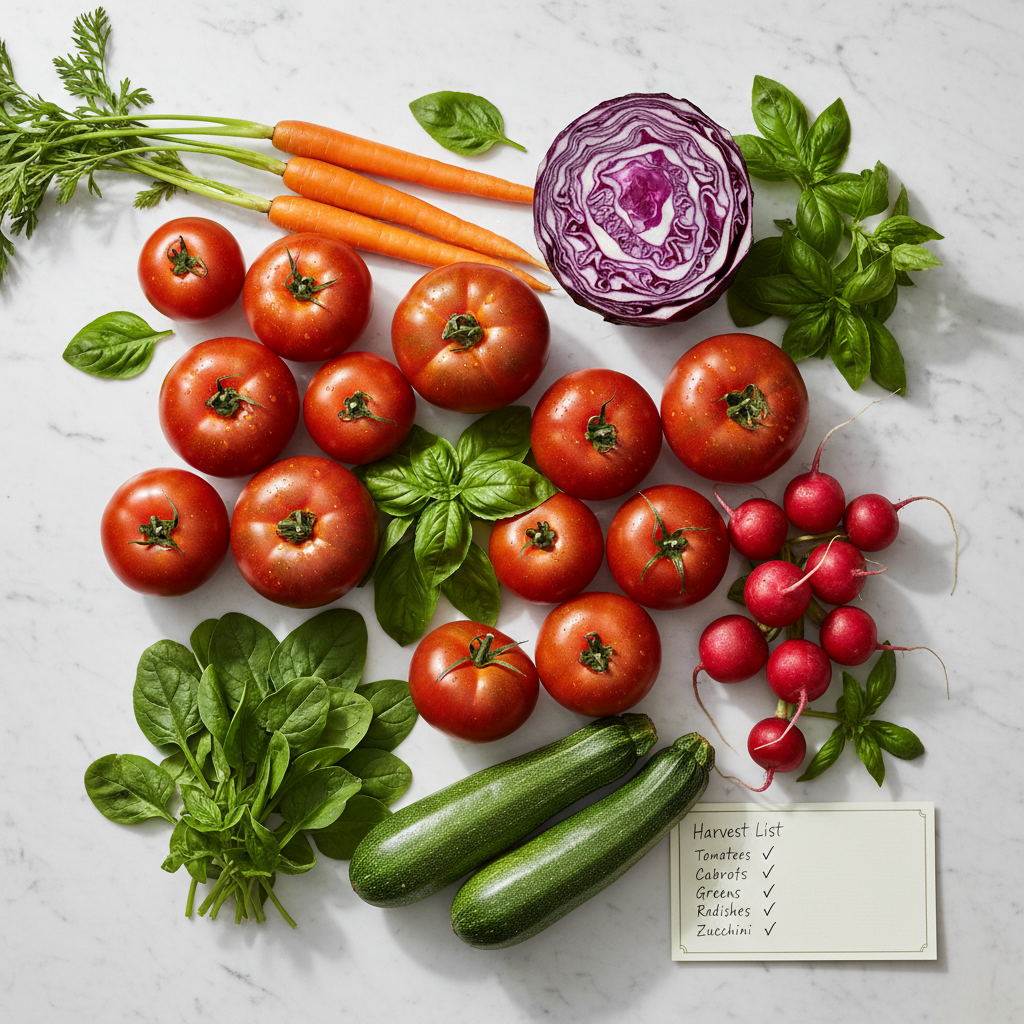
- Leafy Greens: Spinach and kale are loaded with vitamins A, C, and K.
- Berries: Blueberries and strawberries are rich in antioxidants.
- Whole Grains: Quinoa and brown rice provide fiber and essential nutrients.
- Olive Oil: A source of healthy fats that support heart health.
- Fish: Salmon and mackerel supply omega-3 fatty acids.
Incorporating these foods into your regular diet can be as simple as swapping out processed snacks for a handful of nuts or adding a side of vegetables to your meals.
Implementing Longevity Cuisine at Home
Transitioning to a longevity-focused diet doesn't have to be daunting. Start by making small changes, such as incorporating a variety of colors on your plate and choosing whole foods over processed ones. Cooking at home more often allows for better control over ingredients, ensuring meals are both nutritious and delicious.
Experimenting with new recipes and flavors can also make the transition enjoyable. Trying international dishes, like Mediterranean or Asian cuisines, can introduce diverse ingredients that are both healthy and satisfying.
Social and Environmental Benefits
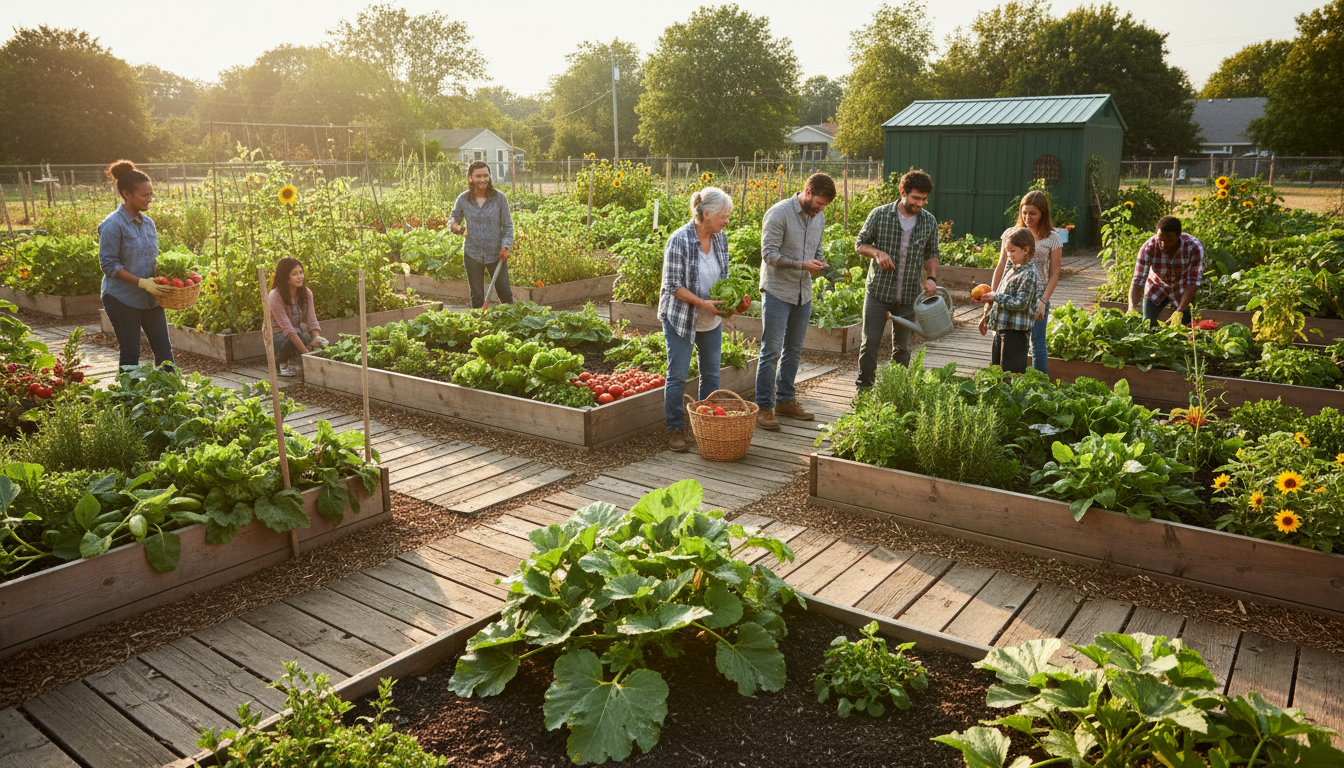
Beyond personal health, longevity cuisine contributes to broader social and environmental benefits. Choosing locally-sourced and seasonal produce supports sustainable agriculture and reduces your carbon footprint. By prioritizing plant-based foods, you also contribute to a more eco-friendly food system.
Sharing meals and recipes with friends and family can foster community and encourage others to embrace healthier eating habits. Creating a culture of health and wellness is a collective effort that can have far-reaching effects.
Incorporating longevity cuisine into your life is a meaningful step towards improving health and well-being. Whether you're young or old, the benefits of these nutrient-rich diets can lead to a longer, healthier life, filled with vitality and joy.